I am a 41-year-old mum, wife, daughter, full-time primary school teacher and Scout Leader. In 2025, I started experiencing ongoing persistent diarrhoea, stomach cramps and fatigue. After blood tests, I was told I was anaemic. My GP suggested I have an iron infusion and a colonoscopy to investigate further.
I went to my colonoscopy convinced I probably had coeliac disease or that my symptoms were related to my periods. Cancer never crossed my mind.
Then, just minutes after waking up from the procedure, I heard the words no one ever wants to hear: ‘You have cancer.’
The surgeon couldn’t even complete the colonoscopy because the tumour was blocking the way. At just 40 years old, I was diagnosed with bowel cancer.
From that moment, everything happened so quickly. My husband and I were overwhelmed with emotions as information came at us from every direction. I was taken straight for a CT scan, which confirmed the diagnosis. Looking back, it felt like I only ‘had cancer’ for five days before surgery, because everything moved at lightning speed.
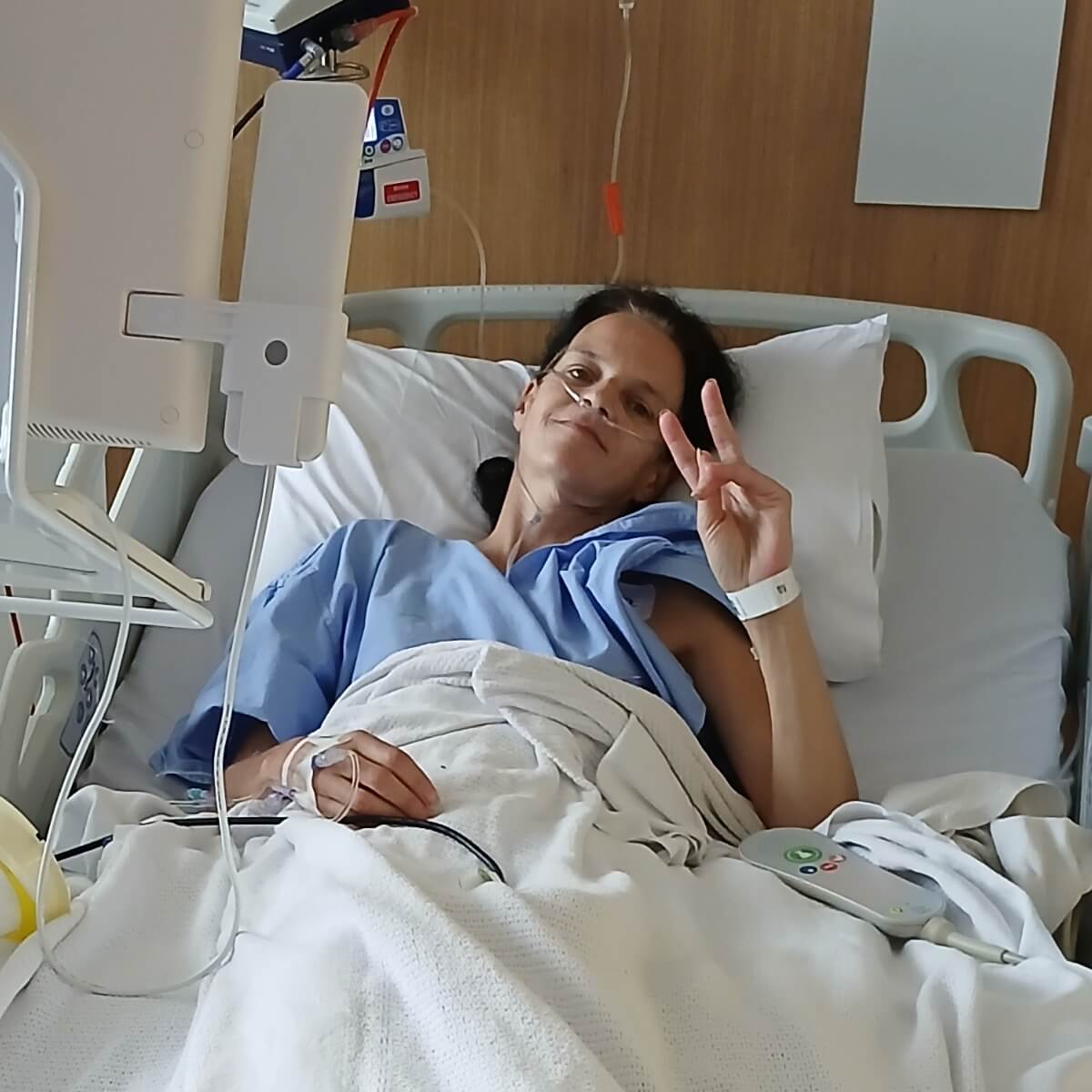
Just five days after my diagnosis, and only days before Christmas, I underwent surgery because my bowel had telescoped in on itself. I had a right hemicolectomy. Thankfully, I was well enough to make it home for Christmas, where I spent the following weeks recovering with my family.
One of the hardest moments wasn’t the surgery – it was telling our 12-year-old son. Hearing him ask, ‘Mum, are you going to die?’ is something I will never forget.
In the new year, I received more difficult news. My cancer was Stage 3C, and I would need six months of adjuvant chemotherapy. I also learned that my tumour had the BRAF V600 mutation and signet ring cell features. It felt like another wave of information to process when I was still trying to come to terms with the diagnosis itself.
Walking into the chemotherapy ward for my first treatment was incredibly emotional. It was surreal. I had a PICC line inserted, which would stay with me for the next six months, and began my first cycle of chemotherapy.
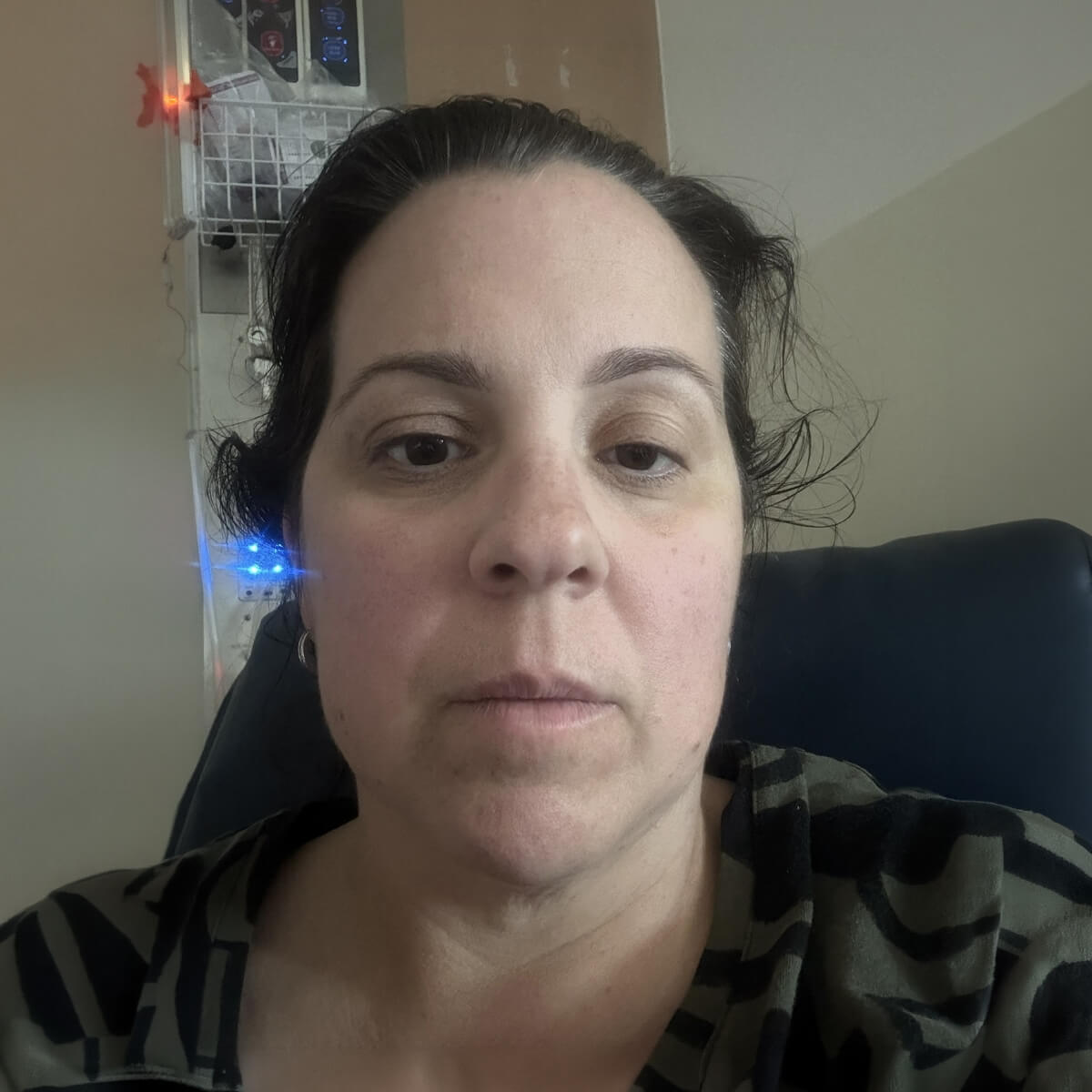
Chemotherapy has been one of the hardest challenges of my life. I experienced skin pigmentation, altered taste, nausea, allergic reactions to the PICC dressings, weight gain, fatigue, balance issues and ongoing neuropathy in my hands and feet. I hope these side effects continue to improve with time.
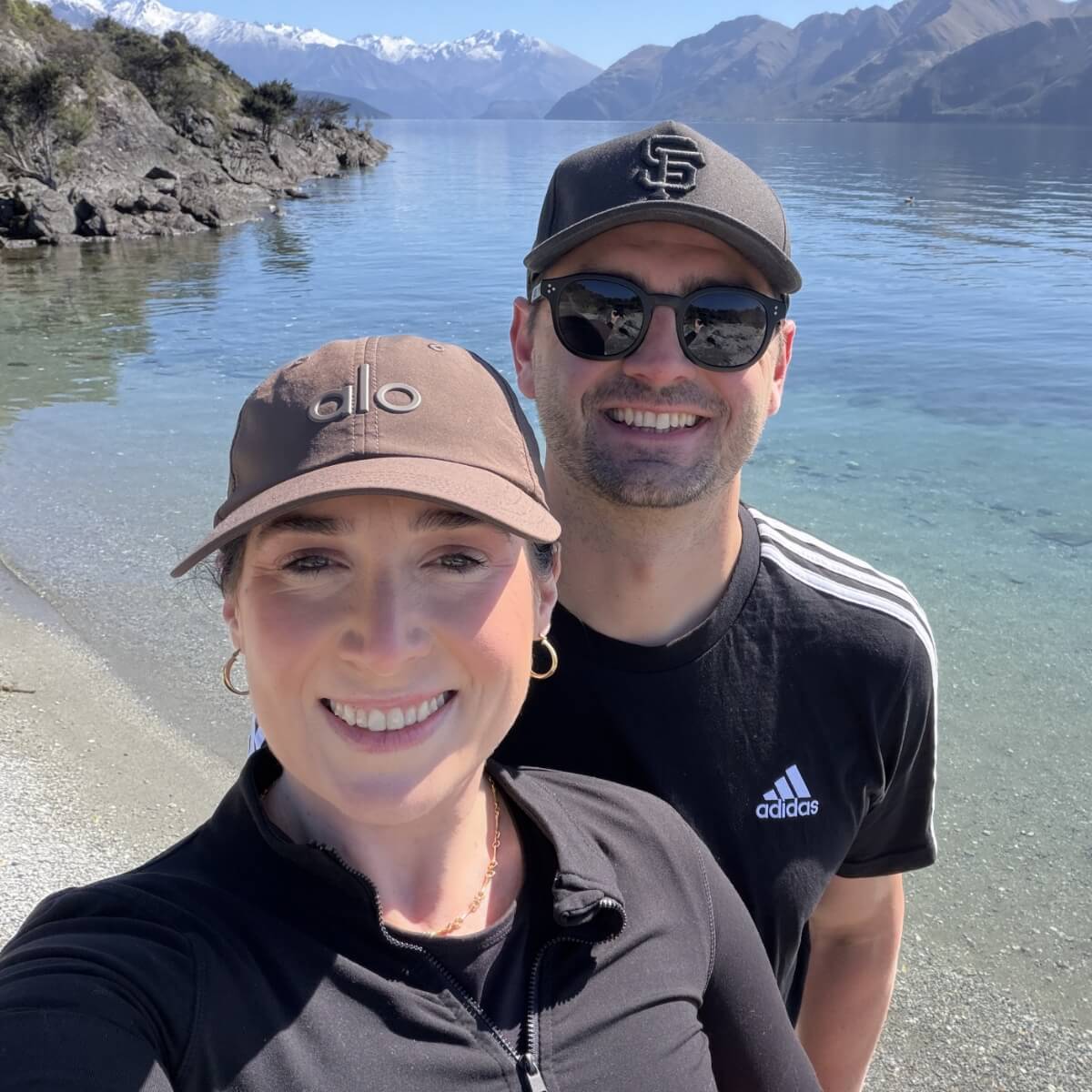
Despite everything, I was determined to stay as positive as I could. With the incredible support of my husband, parents, family and friends, I found reasons to smile, laugh and keep moving forward. When my body allowed, I walked, spent time in nature and focused on hope. I had to stop working and spent many months resting and allowing my body to cope with treatment.
Today, I have completed all 12 rounds of chemotherapy and have entered surveillance, with regular blood tests every three months and scans every six months for the next five years. Now, my focus is on recovery – allowing my body to heal in its own time while working with an exercise physiologist to regain my strength.
Sometimes I still stop and think, ‘Did that really happen?’ It all feels like such a blur, almost like it happened to someone else. But it did happen. It changed my life forever.
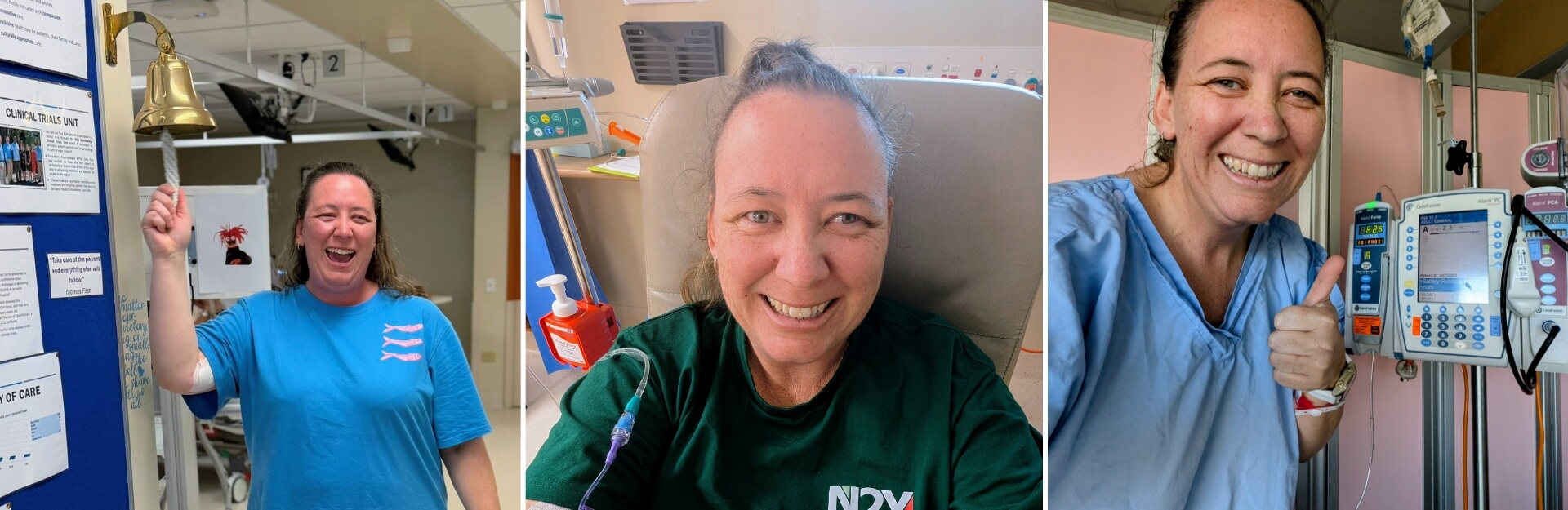
One of the most emotional moments of my journey was ringing the bell after my final chemotherapy treatment and having my PICC line removed. Sharing that milestone with my husband, our son and my parents made it even more special. I will also be forever grateful to the incredible nurses in the chemotherapy ward for their kindness, compassion and encouragement.
I am passionate about supporting Bowel Cancer Australia’s Never Too Young campaign because my story proves that bowel cancer doesn’t just affect older Australians.
I hope our governments continue to listen to the growing number of younger Australians being diagnosed with bowel cancer and take action by lowering the national bowel screening age to 45 – or even younger.
Because the truth is simple – You are never too young for bowel cancer.
My one piece of advice:
If something doesn’t feel right, listen to your body. Don’t ignore persistent symptoms. See your GP, and if you feel you’re not being heard, seek a second opinion. You know your body better than anyone else.