On 1 April 2025, aged 48, I had a colonoscopy following a few mild, occasional symptoms that I never imagined could be bowel cancer. Looking back, I now know they were warning signs. That day, my world changed.
Initially, I was told it appeared to be Stage II bowel cancer. Everything moved quickly. Over the following weeks, I underwent five weeks of neoadjuvant chemotherapy and radiotherapy, achieving a complete clinical response, with no visible tumour remaining before surgery. On 6 August 2025, I underwent an ultra-low anterior resection to remove the affected section of bowel.
The surgery went well. I woke up with an ileostomy and was focused on recovering. A week later, on the day I was discharged from hospital, my surgeon called with the final pathology results.
One of the twelve lymph nodes removed during surgery contained cancer.
In an instant, my diagnosis changed from Stage II to Stage III.
That meant another challenge lay ahead: six months of FOLFOX chemotherapy. Twelve fortnightly cycles while learning to live with a stoma.
I’ll be honest – was scared.
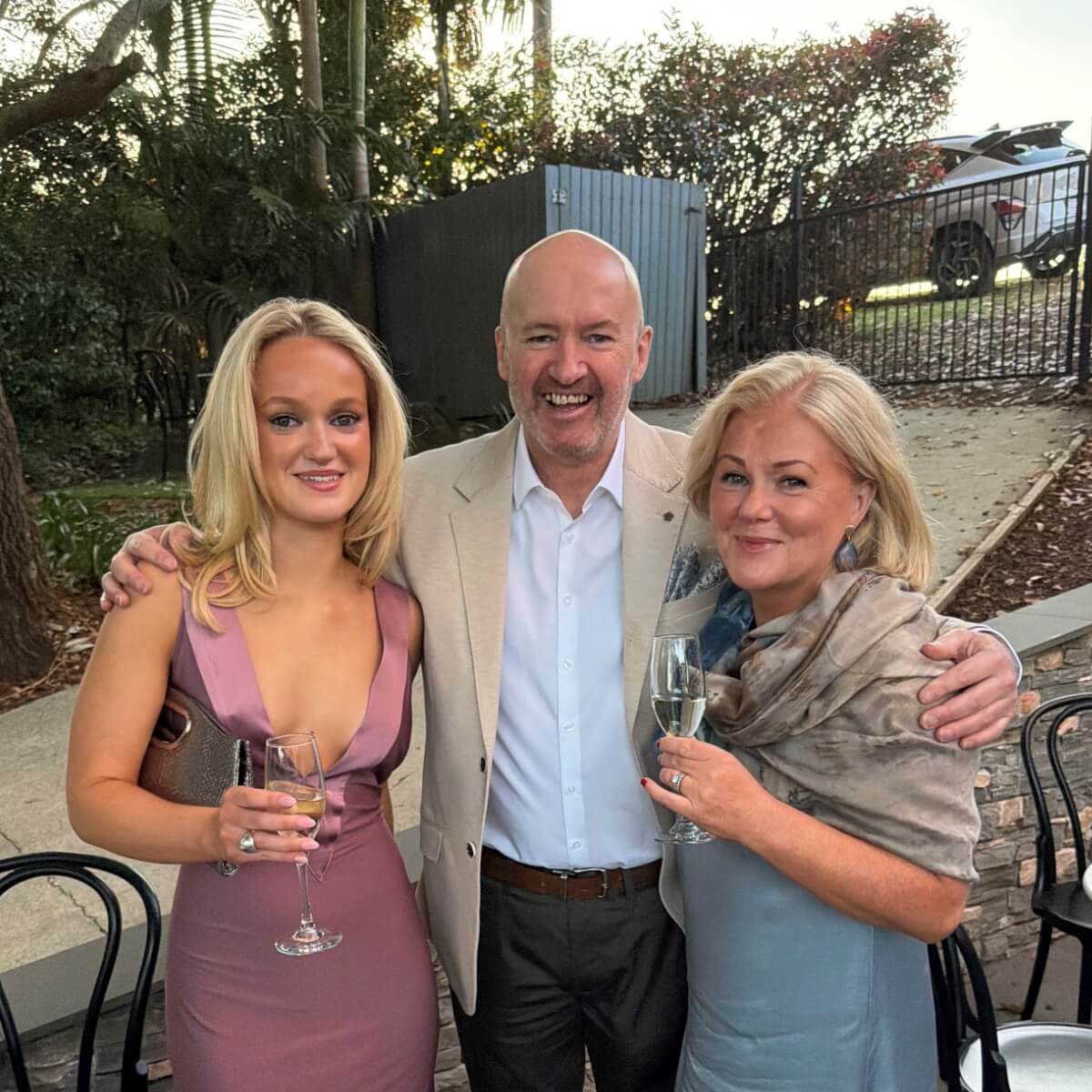
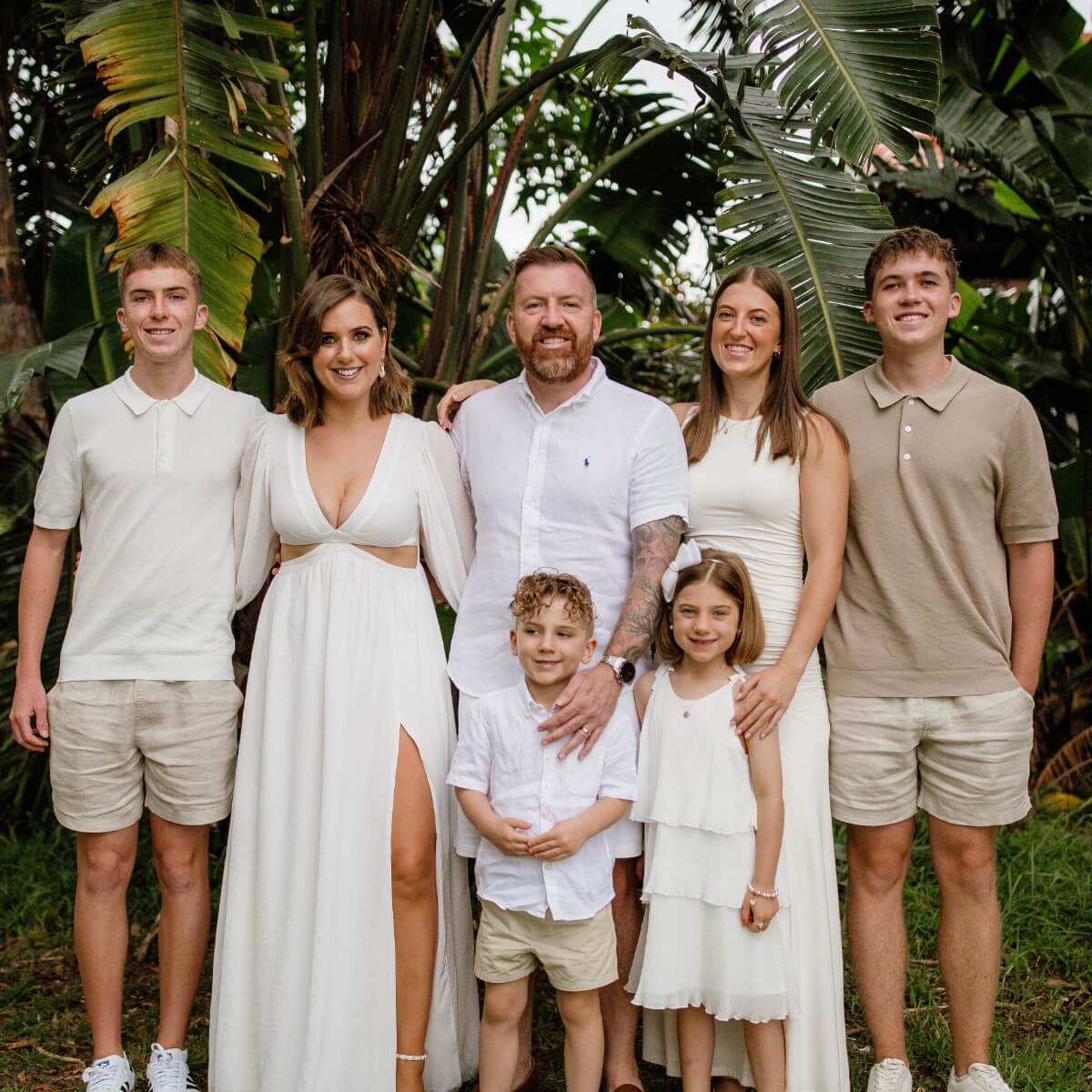
Like so many people, I worried about whether I’d see my daughters and young grandsons grow older, whether I’d return to work, and whether life would ever feel normal again.
The physical side effects were difficult, but the mental challenge was just as significant. Every cycle became its own milestone. Blood tests, infusions, side effects, recovery… then doing it all again two weeks later. Six months felt like a lifetime.
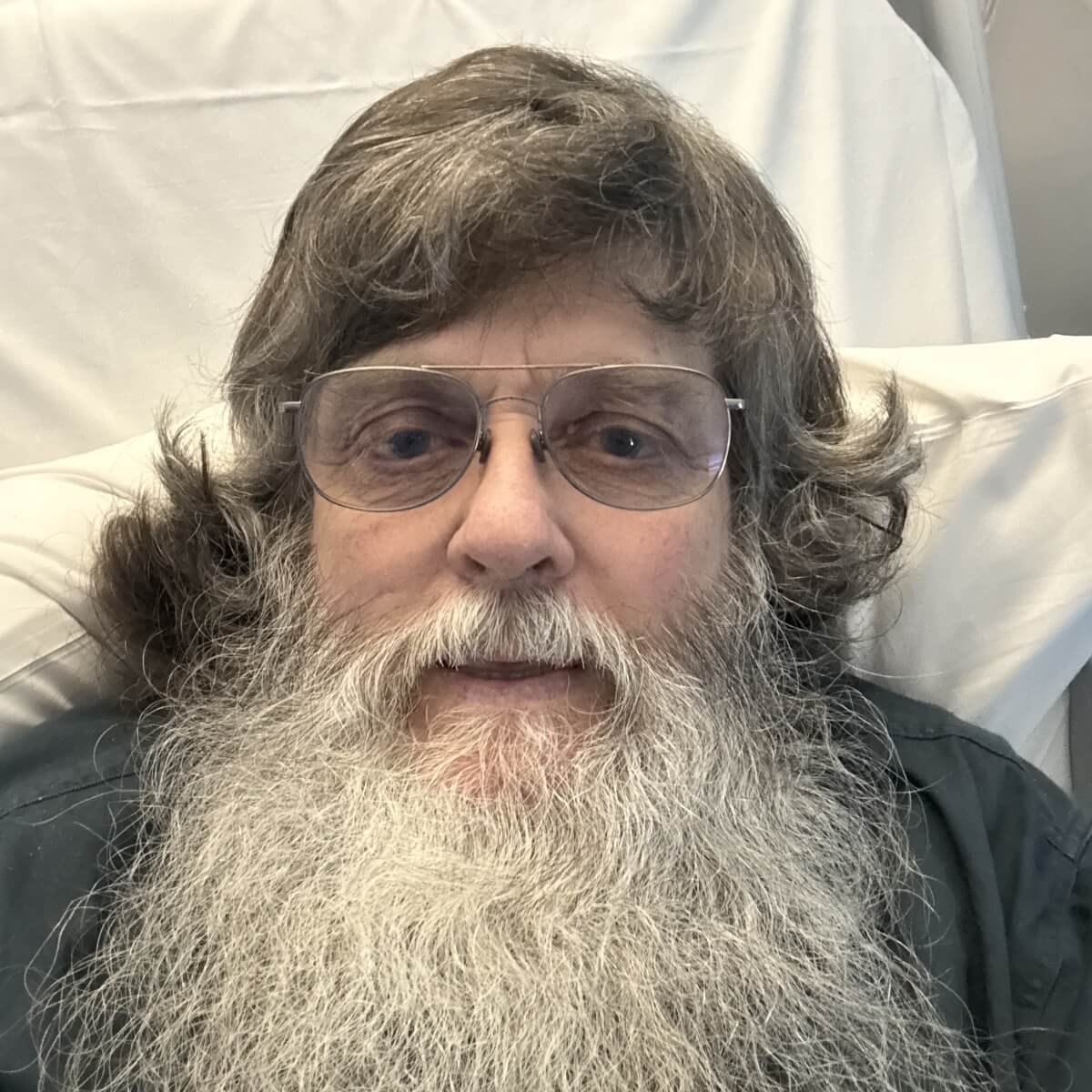
On 27 February 2026, I disconnected my final 5FU chemotherapy bottle.
It was one of the biggest milestones of my life.
Six weeks earlier, my PET scan had shown no evidence of active cancer. A follow-up colonoscopy showed my bowel join (anastomosis) had healed perfectly, allowing my surgeon to schedule my ileostomy reversal.
On 13 April 2026, I underwent reversal surgery. Recovery wasn’t completely straightforward, and I experienced some complications while my bowel function restarted, but thankfully everything settled with time.
Walking out of hospital on 22 April felt like closing the biggest chapter of my life. Recovery didn’t end that day, but for the first time in a year, my future wasn’t measured in chemotherapy cycles or surgery dates.
It was finally time to move from treatment mode back into living-life mode.
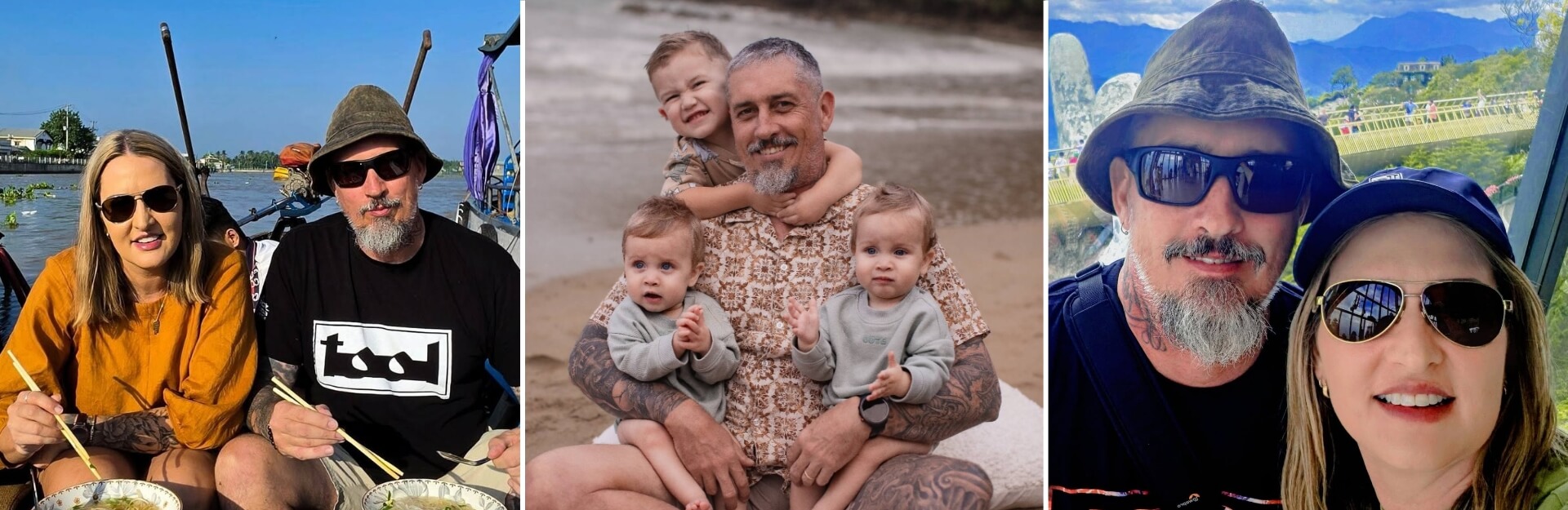
One goal kept me motivated throughout treatment: celebrating my 50th birthday with my wife in Vietnam.
Very recently we spent more than three incredible weeks travelling from north to south through Vietnam. During chemotherapy, that trip often felt impossibly far away. Standing there healthy enough to experience it reminded me how precious ordinary life really is.
Cancer has changed me.
I appreciate time with my family more than ever. I don’t take good health for granted. I value experiences over possessions, and I try not to waste energy worrying about the things that don’t truly matter.
I’m incredibly grateful to my wife, my daughters, my family, friends and work colleagues, who carried me through the toughest year of our lives. I also owe an enormous debt of gratitude to my surgeon, my oncologist, and the incredible teams at my local Private Hospital and Cancer Centre. Their skill, compassion and professionalism gave me every chance to get my life back.
Twenty years ago, my outcome may have been very different.
As I write this, my next PET scan is scheduled for Friday, 7 August. Hopefully it will be another clear result, allowing my PowerPort to be removed and another milestone to be reached.
Of course, I’ll continue with regular surveillance, scans and appointments. That uncertainty never completely disappears, but it no longer defines my life.
If there’s one thing I’d ask anyone reading this to remember, it’s this:
Please don’t ignore symptoms. Don’t assume bowel cancer only affects older people. And when you’re eligible, complete your bowel screening test.
Early detection gave me the opportunity to be treated, to recover, and to keep making memories with the people I love.
It may just save your life.
My one piece of advice:
Please don’t ignore symptoms. Don’t assume bowel cancer only affects older people. And when you’re eligible, complete your bowel screening test.